Introduction
If you’re looking into a Disabled Facilities Grant, you’re probably trying to answer a simple question: can I get help to adapt my home?
The short answer is yes, but it depends on your needs, your home, and your financial situation.
A Disabled Facilities Grant, often called a DFG, is funding from your local council to pay for changes that help you live safely and independently. That might mean a level access shower, a stairlift, or making it easier to get in and out of your home.
This guide answers the most common questions people ask, so you can quickly understand what you might be entitled to and what happens next.
The Disabled Facilities Grant is set out in law under the Housing Grants, Construction and Regeneration Act 1996. You can read the guidance on GOV.UK.
Disabled Facilities Grant
at a glance
- Maximum grant in England: £30,000
- Pays for: essential adaptations like bathrooms, access, and lifts
- Means tested: yes for adults, not for children
- Repayable: usually no
- Who can apply: homeowners and tenants
- Timescale: often several months depending on the work
What can a Disabled Facilities Grant pay for?
A Disabled Facilities Grant pays for changes to your home so you can live safely and independently.
Typical examples include:
- Level access showers or wet rooms
- Stairlifts or through-floor lifts
- Ramps and easier access into the home
- Widening doors for wheelchair use
- Adapting kitchens so they are easier to use
- Improving access to a bedroom or bathroom
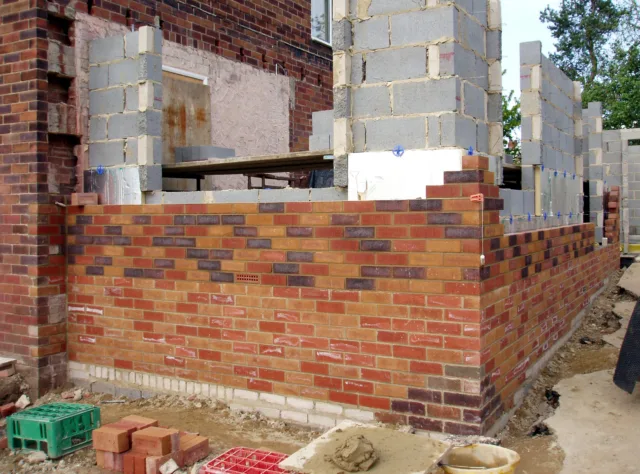
In some cases, it can also fund extensions, for example where there is no space to install a bathroom on the ground floor.
You can see more detailed examples, including outdoor access, in our guide to the DFG for driveways and outdoor access.
If you’re planning to manage the work yourself, see our guide to project managing your own DFG adaptation.
What is the maximum grant available?
In England, the maximum Disabled Facilities Grant is £30,000.
Many adaptations cost much less than this. Larger projects like extensions can cost more, and councils may use other funding alongside the grant.
We explain how much people typically receive, and what affects the amount, in our guide to how much you can get from a Disabled Facilities Grant.
Do you have to repay a Disabled Facilities Grant?
Most people do not have to repay the grant.
If the grant is over £5,000, the council can place a charge on the property for up to 10 years. If the property is sold within that time, part of the grant may need to be repaid, up to £10,000.
We explain this in more detail in our guide to repaying a Disabled Facilities Grant.
Who is eligible for a grant?
You can apply if:
- You or someone in your household is disabled
- The property is your main home
- You are a homeowner, tenant, or housing association tenant
The decision is based on how your condition affects your daily life, not just the diagnosis itself.
If you rent or are a landlord, see our guide to DFGs for renters and landlords.
If the application is for a child, the rules are slightly different. See our guide to DFGs for children.
Is a Disabled Facilities Grant means tested?
Yes, for adults.
The council looks at income and savings to work out if you need to contribute towards the cost.
Applications for children are not means tested.
If you want a clear breakdown of how this works, see our guide to the DFG means test.
You can also estimate your contribution using our DFG calculator.
Is there a savings limit for a DFG?
There is no fixed savings limit, but savings are taken into account in the means test.
If you have higher savings or income, you may be asked to contribute more towards the cost of the work.
How long does a grant application take?
A Disabled Facilities Grant can take several months from start to finish. More complex cases, such as extensions, can take longer.
The process usually includes:
- Assessment of needs
- Designing the adaptation
- Getting quotes
- Approval
- Carrying out the work
We’ve broken this down in more detail in our guide to DFG timescales.
How do I apply for a DFG?
You apply through your local council.
The process usually starts with an assessment to understand what changes are needed.
If you’re ready to start, follow our step-by-step guide to applying for a Disabled Facilities Grant.
What if the £30,000 isn’t enough?
Sometimes the grant does not cover the full cost of the work.
In these cases, there may be other options, including:
- Discretionary funding from the council
- Support from charities
- Contributions from the household
See our guide to what to do if the DFG isn’t enough, and other sources of help with home adaptations.
What if something goes wrong?
If there are delays, disagreements, or problems with the work, you have the right to raise a complaint.
We explain how to do this in our guide to complaining about a Disabled Facilities Grant.
Are all grants the same across the UK?
No. The system is different in Scotland, Wales, and Northern Ireland.
For a clear comparison, see our guide to Disabled Facilities Grants across the UK.
What to do next
If you’re just starting out, these are the best next steps:
- Check how much you might get using our DFG calculator
- Understand your contribution in our means test guide
- Follow the step-by-step application guide
- Speak to your local council or get advice
Frequently asked questions
It can be used for essential adaptations that help a disabled person live safely and independently, such as bathrooms, access, and lifts.
In England, the maximum is £30,000. The amount you receive depends on your needs and financial situation.
Usually no. Repayment may apply if the property is sold within 10 years and the grant was over £5,000.
Yes for adults, but not for children.
It often takes several months, depending on the complexity of the work.