Some people decide they want to manage their own home adaptation project and make their own Disabled Facilities Grant application. This can give you more control, but it also means taking on a lot of responsibility.
You may need to deal with assessments, quotes, paperwork, builders, timescales and problems on site. It is important to understand the scale of the task before you decide to do it yourself.
What project managing yourself means
If you manage the project yourself, you may need to:
• explain what problem the adaptation needs to solve
• speak to the council about a DFG application
• arrange plans, quotes and other paperwork
• choose and manage builders or other contractors
• keep the project moving
• deal with delays, changes and extra costs
Even a fairly small adaptation can feel like a big job once work starts.
Do not start work before the grant is approved
You should not start any work until the council has formally approved your Disabled Facilities Grant.
If work starts too early, the council may refuse to pay the grant. Even if you are keen to get going, it is safer to wait for the written approval.
Check exactly what the grant will cover
A DFG will not always pay for everything you want to do.
The council has to be satisfied that the approved works are needed to meet the disabled person’s needs. This means they may agree to fund some parts of a project, but not others.
For example, the grant may cover an accessible shower, but not extra improvements or upgrades you choose for other reasons.
Always check:
• what work the council is willing to fund
• whether there is a maximum amount approved
• whether you will need to pay anything yourself
The council must be satisfied before paying
The council will usually want to be satisfied that the approved work has been completed properly before grant money is paid.
That means they may inspect the work, ask for invoices, or ask you to confirm that the work has been finished to a proper standard.
If you change the design or agree extra work during the build, check with the council first. Do not assume they will pay for changes that were not approved.
An OT assessment will usually guide the decision
In many cases, the council will ask for an occupational therapist assessment, or similar professional advice, to help decide what work is needed.
This is important because the council is not just looking at what would be nice to have. It is deciding what adaptation is needed and whether it is a reasonable way to meet the disabled person’s needs.
So before you commit to a design or a builder, check what assessment the council will want.
Planning permission and building regulations
Some adaptations need planning permission. Some do not. The same is true for building regulations.
For example, internal changes may not need planning permission, but an extension, external ramp or major alteration might. Even where planning permission is not needed, building regulations approval may still be required to make sure the work is safe and meets the right standards.
Do not assume that because the work is funded through a Disabled Facilities Grant, planning permission or building regulations do not apply. They still may.
Before work starts, check:
• whether planning permission is needed
• whether building regulations approval is needed
• who will deal with any applications
• whether these costs are included in the quote or your grant application
If you are using a designer, architect or surveyor, they may be able to advise on this. If not, you should check with the council before going ahead.
Getting this wrong can lead to delay, extra cost and problems later.
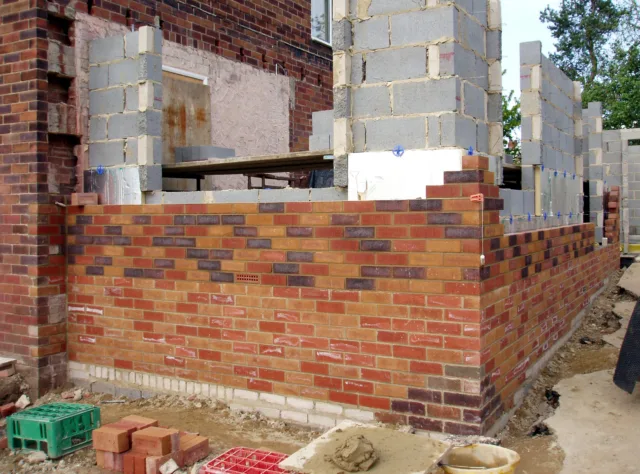
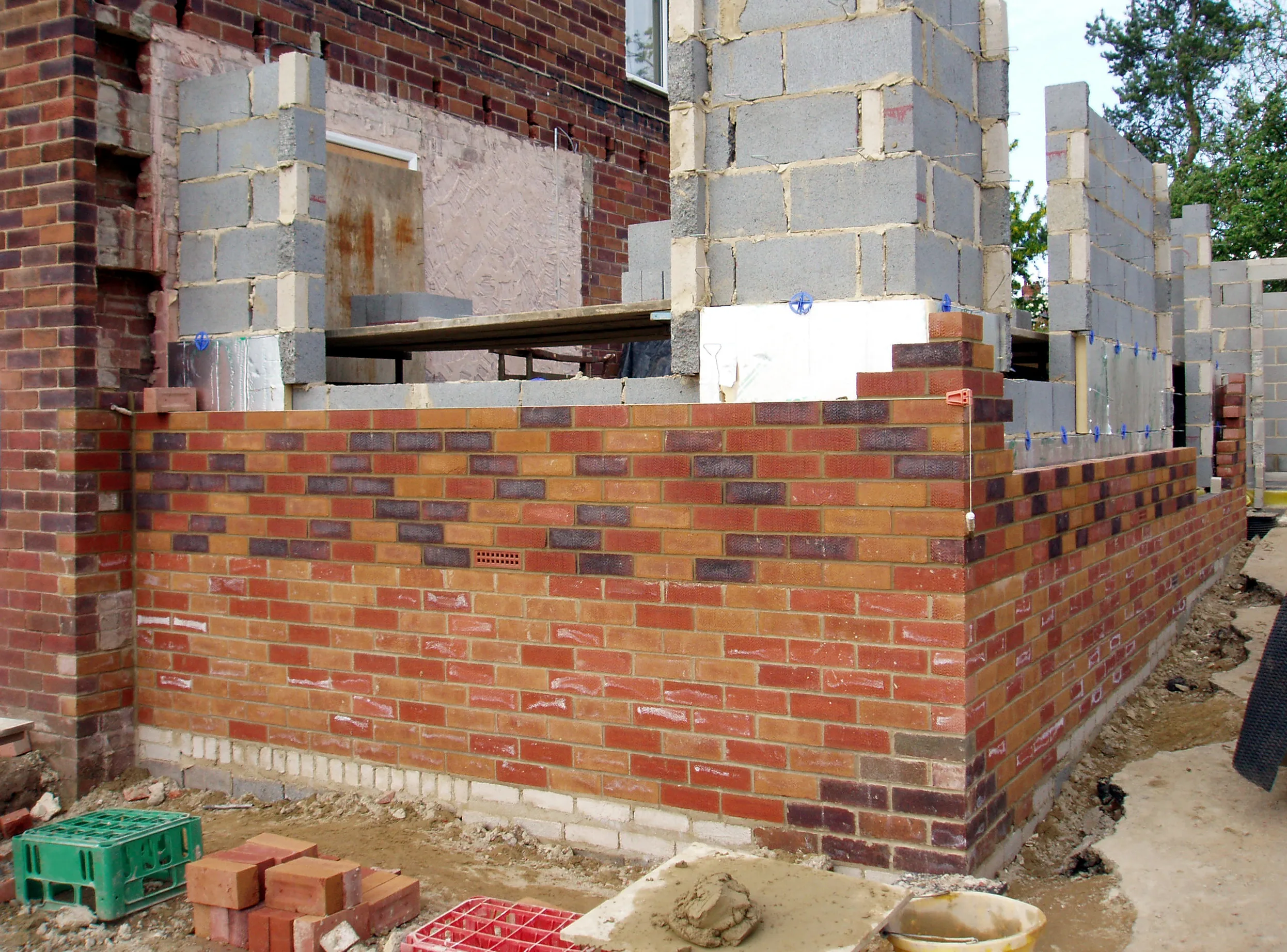
Building projects often take longer and cost more
It is easy to think an adaptation project will be simple. In practice, building work often takes longer than expected and costs more than first planned.
Anyone who has watched Grand Designs will know that building projects have a habit of running over time and over budget. That risk is often greater when the person managing the work has not done it before.
That does not mean you should not do it yourself. It just means you should be realistic.
You should expect:
• delays
• unexpected problems
• extra decisions during the work
• some stress and disruption
A quote is not always the final cost, and a timetable is not always the final timetable.
A word about builders and quotes
If you are making your own application and managing the project yourself, it is important to get clear quotes and make sure you are comparing like with like. Using a builder registered with the Home Adaptations Installer Network is always a good place to start.
Check:
• what is included in each quote
• what is not included
• whether the builder has experience of adaptation work
• whether the price includes making good, waste removal and finishing work
The cheapest quote is not always the best one.
It is also important to have a proper building contract in place before work starts. This does not need to be long or complicated, but it should clearly set out:
• what work is being done
• the agreed price
• when payments will be made
• when the work is expected to start and finish
• what happens if there are delays or changes
• who is responsible for fixing poor or incomplete work
A clear contract helps avoid misunderstandings and gives both sides something to refer back to if there is a problem.
A word about CDM and health and safety
Building work has to be properly planned and managed so that people are safe.
This includes work in domestic homes. Under the Construction Design and Management Regulations 2015 (CDM), you are the client because it is your project. For domestic clients, some legal duties will usually pass to the contractor on a single-contractor job, or to the principal contractor on a job involving more than one contractor. But you still need to make sensible choices about who you appoint and how the project is set up.
One of the most important things is making sure the designer, architect or surveyor you choose is competent for this kind of work. They should understand home adaptations, be able to design a scheme that is safe and practical, and have the right skills, knowledge and experience for the job. HSE says principal designers and principal contractors must have the skills, knowledge and experience, and where relevant the organisational capability, for the work they are being appointed to do.
If more than one contractor is involved, there should also be clear arrangements for who is planning, managing and coordinating health and safety. This should be sorted out early, not once the work has already started. A construction phase plan must also be prepared before the construction phase begins.
You do not need to become an expert in construction law. But you do need to ask sensible questions before work starts, especially if the disabled person is living in the home while the work is happening.
Questions to ask include:
• who is designing the scheme, and do they have the right experience
• who is in charge of the work on site
• who is coordinating different trades
• how risks will be managed in an occupied home
• how the disabled person will safely manage during the work
When doing it yourself may not be the best option
Managing your own project may not be the right choice if:
• the work is complex
• you do not have much time
• you do not feel confident dealing with contractors
• you would find delays or disputes hard to manage
• the person living at home is particularly vulnerable
In those cases, getting help with the application or project management may be the better option.
Key points to remember
• Do not start work until the DFG is formally approved
• The council will usually want an OT assessment to guide its decision
• The grant may not cover everything you want to do
• The council must be satisfied with the work before paying
• Building projects often take longer and cost more than expected
• Managing your own project can work well, but it is a serious task