A simple guide to when VAT is 0% and when it is 20%
VAT can make a big difference to the cost of home adaptations. Some disability-related work can be charged at 0% VAT (often called “zero rating”), but other work will still be charged at 20% VAT.
This is separate from the Disabled Facilities Grant (DFG). A DFG can help with costs, but it does not automatically change the VAT rate. The VAT rate depends on the type of work being done and whether it meets HMRC rules.
When VAT can be 0%
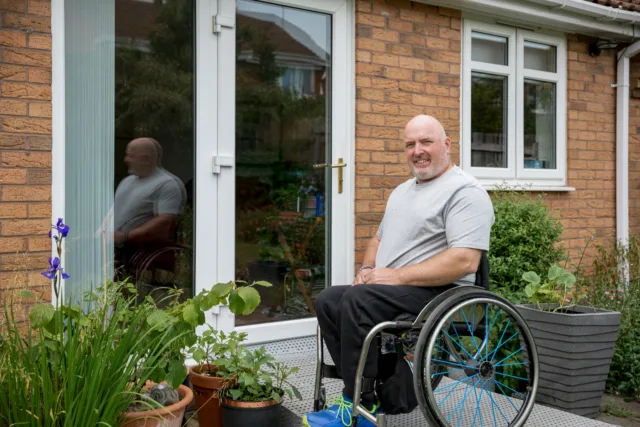
HMRC allows 0% VAT for certain building work carried out to help a disabled person get access to, or move around within, their home. This includes things like ramps and widening doorways or passages (in the situations HMRC allows).
0% VAT can also apply to providing, extending or adapting a bathroom, washroom or lavatory, when the work is necessary because of the disabled person’s condition. HMRC also allows certain “essential” related work as part of that, like drainage, electrics, and making good the immediate area.
When VAT is usually 20%
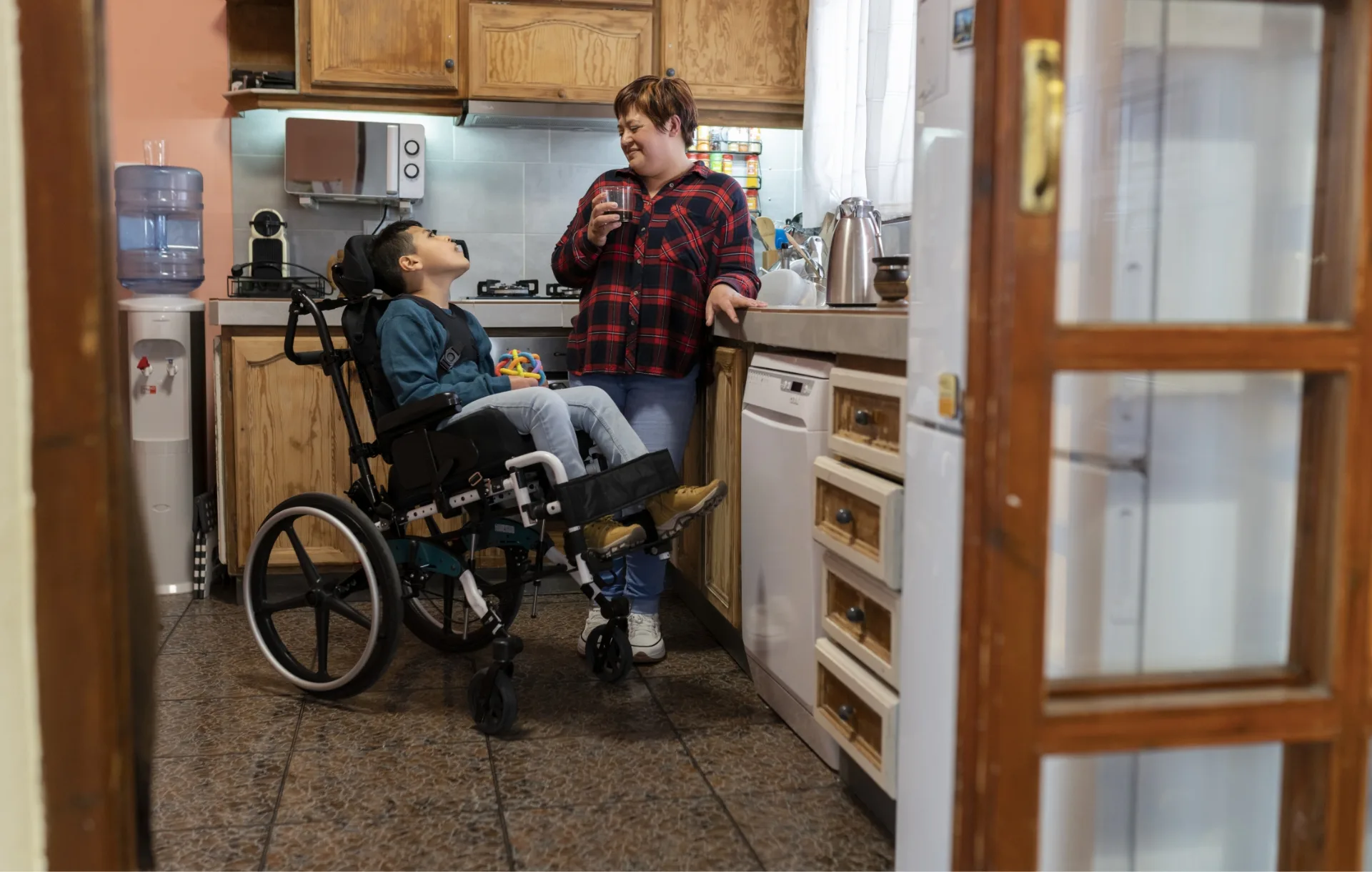
Even when a change is being made because of disability, some types of building work are normally still charged at 20% VAT. HMRC guidance is clear that work to bedrooms and kitchens does not fall within the bathroom/washroom/lavatory relief.
So, as a simple rule of thumb for households: access and bathroom-related adaptations may qualify for 0% VAT, but kitchens and bedrooms are usually 20%.
What about bigger projects like extensions?
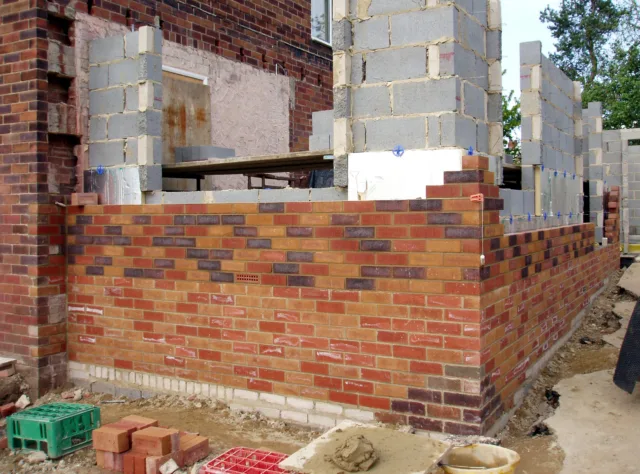
If an extension is being built mainly to create a new accessible bathroom, the bathroom part may qualify for 0% VAT, but any non-bathroom rooms within the extension (like a bedroom or living space) are normally 20% VAT. In those situations, contractors often need to split the costs so the invoice shows the different VAT treatments.
How the VAT relief is applied
VAT relief is usually handled by the supplier or contractor. The disabled person (or their representative) will normally be asked to sign an eligibility declaration, and the supplier must still make sure the goods or services actually qualify.
A quick example
A new level access shower room is installed and qualifies for 0% VAT. No VAT is added.
A bedroom extension is built at the same time. The bedroom part is normally charged at 20% VAT, even if the reason for the extension is disability-related.
In short
0% VAT can apply to certain access adaptations and bathroom/washroom/lavatory work. Kitchens and bedrooms are usually 20% VAT. For larger, mixed projects, costs may need to be split so VAT is applied correctly.