How the Disabled Facilities Grant works if you choose a bigger project
Most Disabled Facilities Grants (DFGs) fund simple, practical changes that make a home safer and easier to use. This might be a stairlift, a level access shower, or a short ramp to the front door.
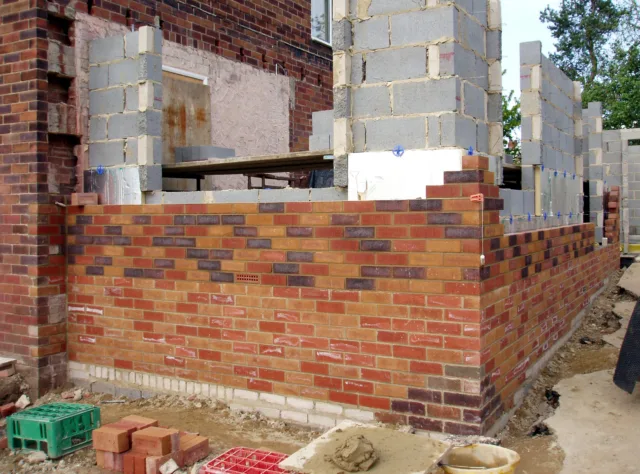
Sometimes, though, families want to go further than the basic solution. Instead of installing the minimum adaptation, they may prefer a larger project such as an extension, a new bedroom downstairs, or wider improvements to the home.
In these situations, the grant can often still help. This is commonly known as a preferred or offset scheme.
What does this mean?
A DFG is designed to meet assessed needs, not to fund every improvement someone might like to make.
The starting point is always the simplest safe way to meet the disabled person’s needs. This becomes the eligible works for the grant.
If a larger or more expensive option is chosen, that is still possible. The grant can usually contribute up to the cost of the basic solution, and the household pays the extra.
In practice, the grant acts as a contribution, rather than paying for the whole project.
A simple example
Imagine a stairlift would safely meet someone’s needs and would cost £6,000.
The family decides they would prefer a £60,000 ground floor extension instead.
In this case, the grant may contribute up to £6,000, and the remaining £54,000 would be privately funded.
This approach helps public money go further, while still giving families the flexibility to create a home that suits them best.
Who is responsible for what?
When a larger private project is chosen, responsibilities are shared.
The homeowner will usually appoint their own designer and builder, manage the wider building work, and take responsibility for anything that goes beyond the agreed grant funded elements.
The local authority’s role is more limited. It assesses needs, agrees which works are eligible for the grant, checks that those funded works are safe and suitable, and releases payment once those works have been completed satisfactorily.
The grant does not cover or approve the entire project. It only relates to the agreed eligible works.
When is the grant paid?
Grant funding is normally paid once the eligible works are finished and safe to use. However, payment does not always have to wait until the very end.
For larger projects, the grant can often be paid in instalments as work progresses, provided the council is satisfied that the agreed stages have been completed properly. This can help with cash flow during the build.
The final payment is usually made once the eligible works are complete and meet the agreed standard.
If something important is unfinished or does not appear safe or durable, payment may be delayed until it is put right. This helps make sure the adaptation works properly and remains safe over time.
In short
The grant pays for what is needed.
Anything extra is a personal choice.
The grant can contribute in stages as work progresses.
Final payment is made when the agreed works are safe and complete.