You don’t have to own your home to get a Disabled Facilities Grant (DFG). Tenants can apply, and landlords can also apply on behalf of their tenants. Here’s how it works.
Can I get a DFG if I rent?
Yes. Both private and social tenants can apply for a DFG if a disabled person lives in the property as their main home. The grant can pay for adaptations such as stairlifts, ramps, or bathroom changes.
Landlord permission
- Tenants usually need their landlord’s written permission for the works.
- Councils will normally contact the landlord as part of the application.
- A landlord cannot unreasonably refuse adaptations that are essential for a disabled person’s needs.
What if my landlord owns the home?
Landlords can apply for a DFG themselves if:
- A tenant or their family member needs adaptations
- The property will continue to be rented to the disabled person as their main home
If a landlord applies, the grant approval may include nomination rights. This gives the council a say in choosing the next tenant if the property becomes vacant during the grant period.
Social landlords
- Councils and housing associations have a duty to work together on adaptations.
- Many housing associations contribute their own funds, especially for large works like extensions.
Special cases
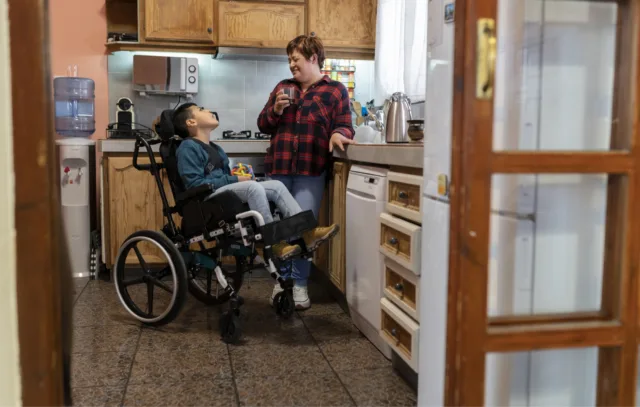
- Children – Parents can apply for a DFG in rented homes if the child lives there as their main home.
- Foster carers – Can apply for adaptations to their rented homes, though funding may depend on the placement type and length.
Key points to remember
- Tenants can apply for a DFG, but landlord permission is usually required.
- Landlords themselves can apply if their tenant needs adaptations.
- Councils can attach conditions such as nomination rights for landlords.
- Social landlords may help with extra funding.