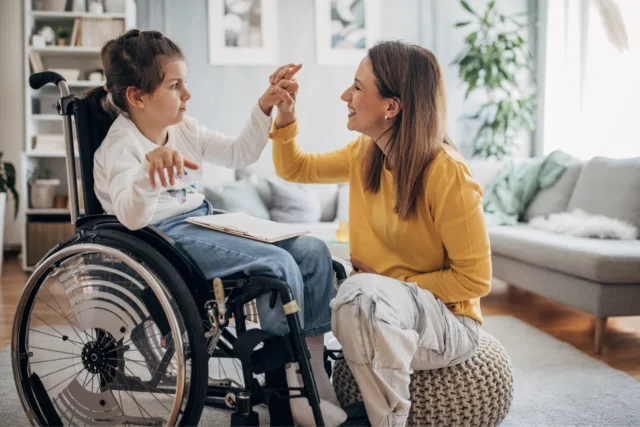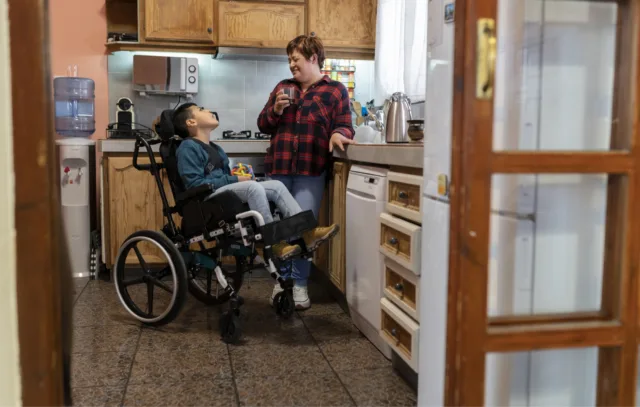
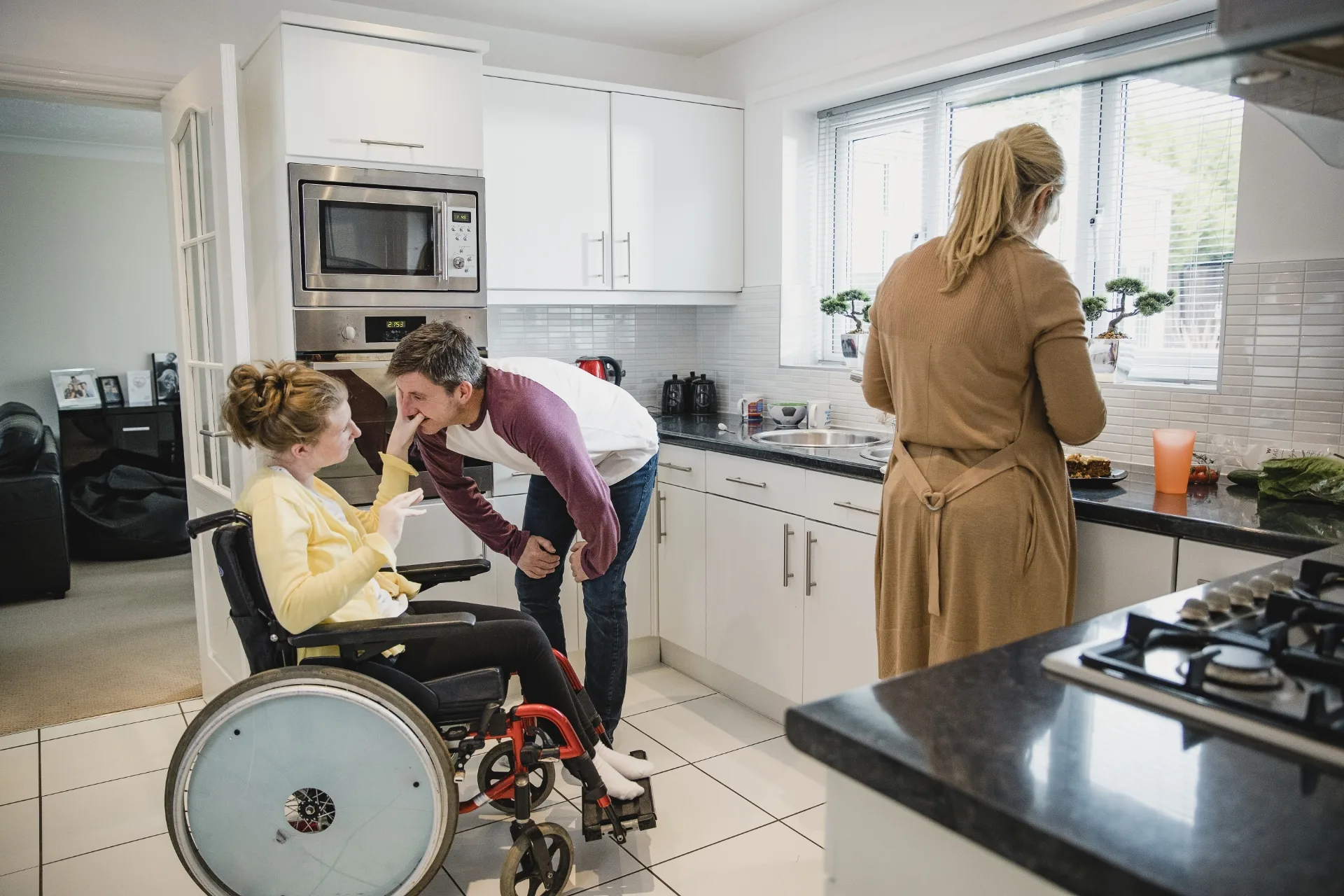
Disabled Facilities Grants (DFGs) are often used to adapt homes for children. The rules are slightly different from those for adults, and families should know what support is available.
No means test for children
- If the adaptations are for a child or young person under 18, there is no means test.
- This means the household’s income and savings are not considered.
- The council covers the full cost of agreed works, up to the grant limit.
Common adaptations for children
Adaptations for children often focus on making the home safe, practical, and supportive of care. Examples include:
- Accessible bathrooms and toilets
- Hoists and tracking systems
- Creating or adapting a bedroom
- Garden access for play and independence
- Kitchen modifications to support participation
- Wider doorways and ramps for wheelchair use
Foster carers
- Foster carers can apply for a DFG for a foster child.
- Funding may depend on the type and length of the placement.
- The application is normally made to the housing authority where the carers live, although the child’s placing authority may also contribute.
Joint custody arrangements
- For children who live with separated parents, the DFG can usually only be awarded at the home where the child spends most of their time.
- This is normally the parent who receives Child Benefit.
Case example
Ella is 10 and has a progressive condition affecting her mobility. She needs a ground floor bedroom and level-access shower. Her parents apply for a DFG. Because she is under 18, there is no means test. The council agrees to fund the full cost of the works, up to the £30,000 limit.
Key points to remember
- Children and young people are exempt from the means test.
- Councils can fund major adaptations, including bedrooms, bathrooms, and hoists.
- Foster carers and separated parents may apply, but there are extra rules.
- Always involve your council’s housing team early – demand for children’s adaptations is high.